Good Stuff (and finding it)
During May of 2012 I spent a lot of time looking at the ceiling fan in our bedroom. It was not entirely out of choice, and had more to do with some unanticipated changes to my skeleton than any need for a holiday. Limited to lifting no more than five pounds, "working out" consisted of lifting my iPad so that I could play pinball, and after a while I reached the score of 18,988,235 on the Da Vinci table.
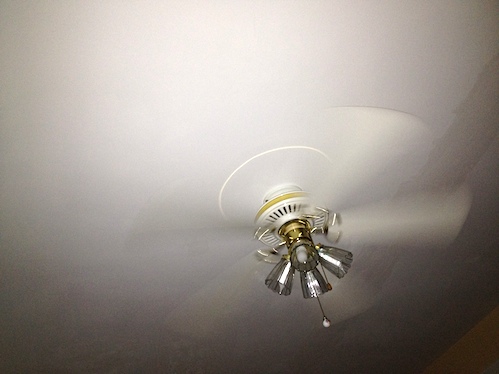

Certainly, there was more to life. My friends have always sent me interesting links to the rarely found valuable real estate on the web, so I began a list of better things to do with my time. Things come and go. Interests wax and wane.
 |
About ten times a year, I engage people with the idea that serious ("classical") music is not dead, and they should perhaps give a listen to something that is less than 100 years old. Hilary Hahn's website is what you might expect from any other person born in 1979, but she has branched out into the YouTube interview circuit. |
| Librivox is the source of a number of 'audiobook' downloads that are free and read by volunteers. The quality varies, but just like iTunes you can preview them. | |
 |
A PDF cheat sheet showing most of the new additions and modifications to the C++11 standard template library. |